Mars Colonisation
Establishing sustainable human presence on the red planet
What is it?
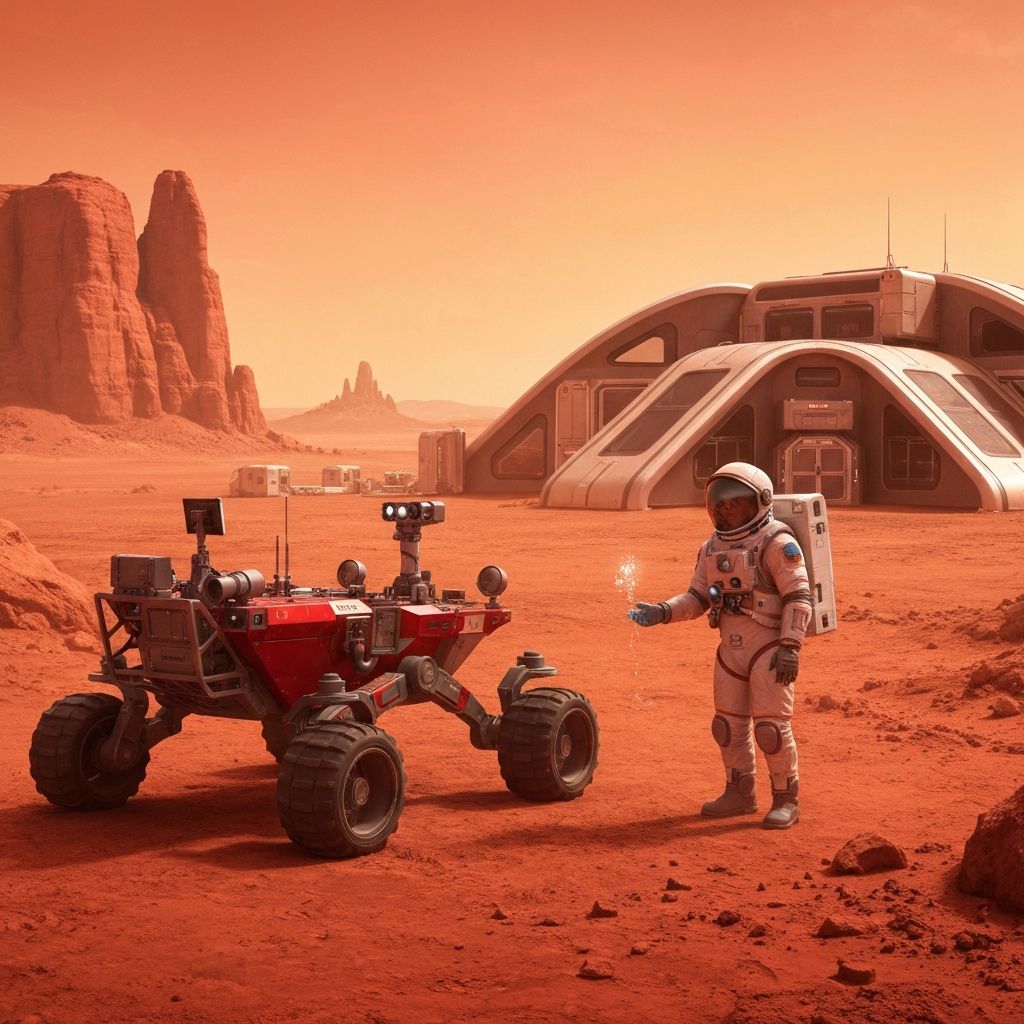
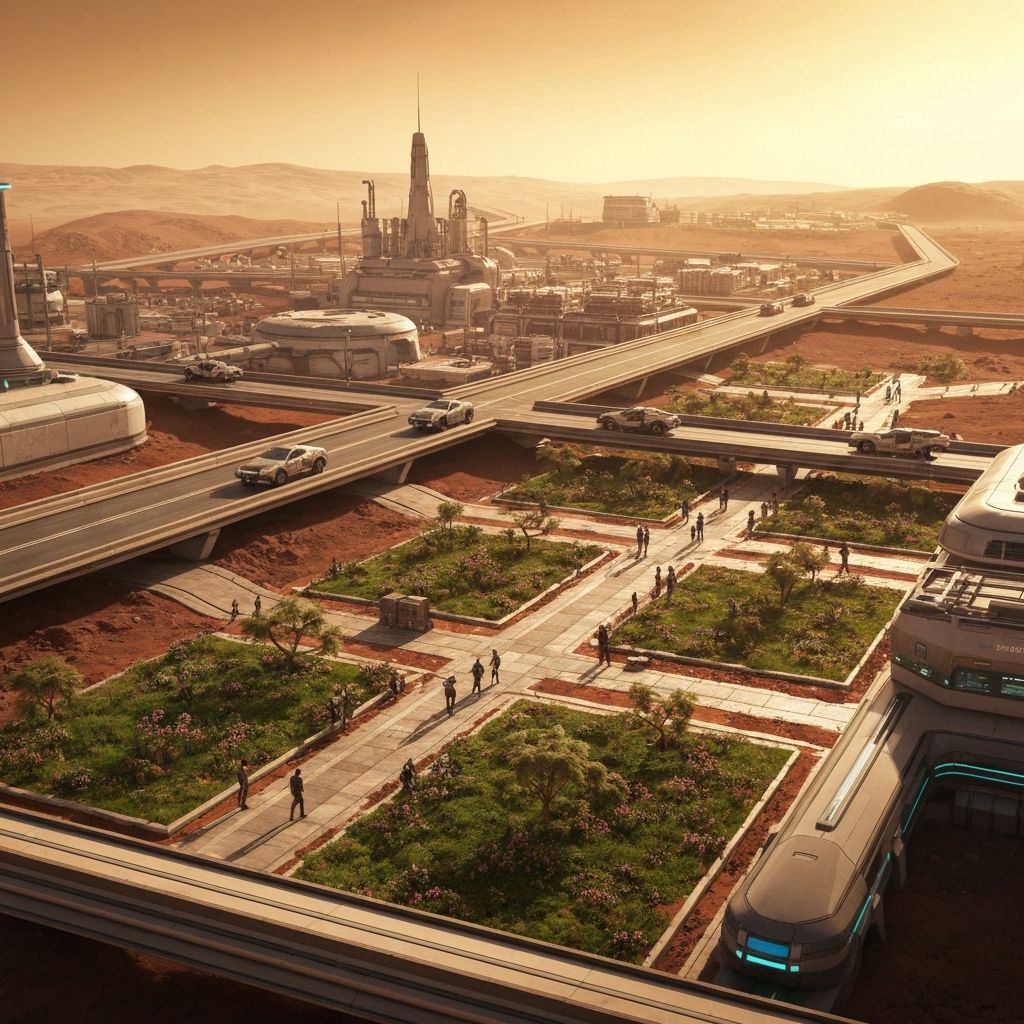
Mars colonisation is simply this: humans living on Mars permanently, not just visiting it.
Not flags, not experiments for a few weeks — actual cities, power systems, food, internet, transport, governance. A place where people are born, work, and live.
Earth won't be abandoned. Mars is a backup, an expansion, and a restart button if things ever go wrong here.
Why do we need it?
Because putting all of humanity on one planet is a bad idea.
Earth has risks:
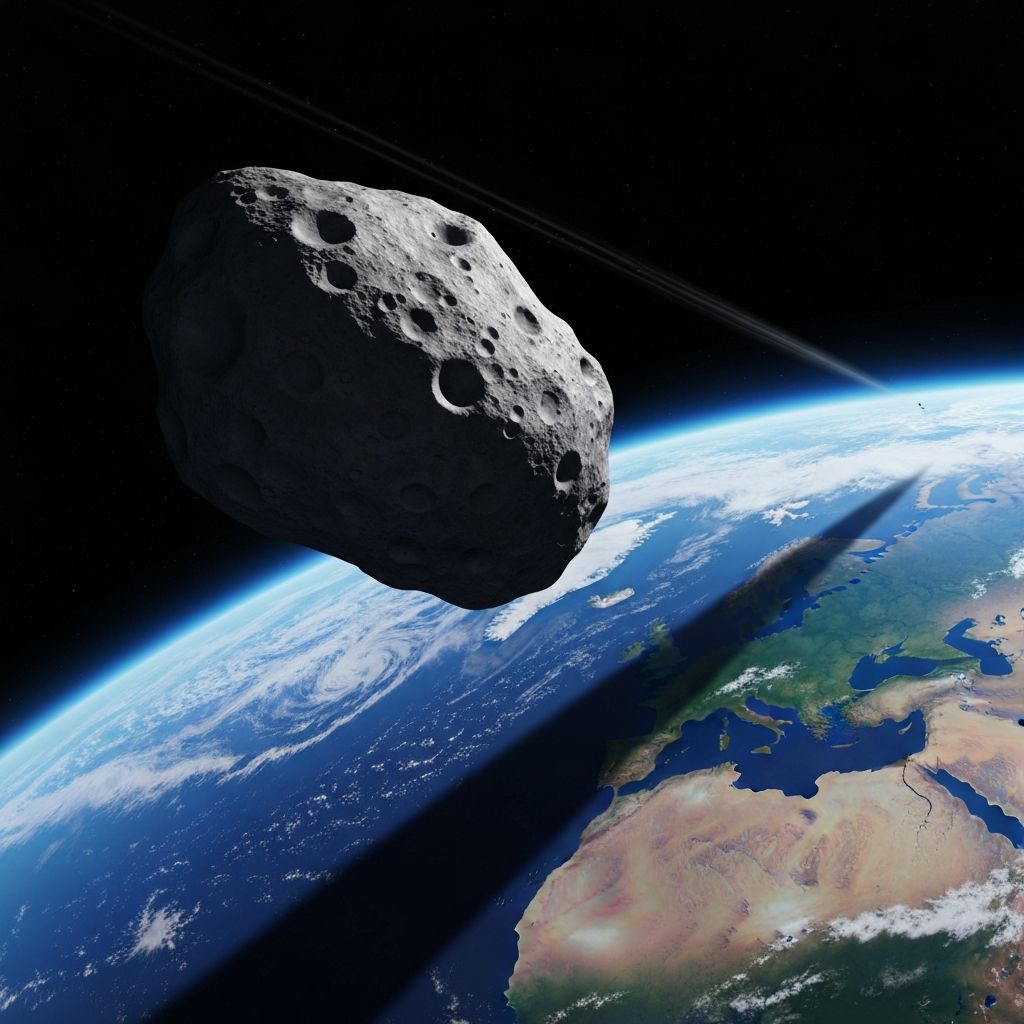
- Asteroids
- Climate instability
- Pandemics
- Nuclear conflicts
- Resource collapse
Any one of these can push civilisation back centuries — or worse.
Mars gives us:
- Species-level insurance
- A second civilisation
- A chance to rethink how society works from scratch
Also, solving Mars-level problems forces us to master: • Clean energy • Robotics • AI coordination • Sustainable living
Everything we build for Mars improves Earth too.
How will we actually do it?
This won't happen overnight. It's a step-by-step process.
First: robots
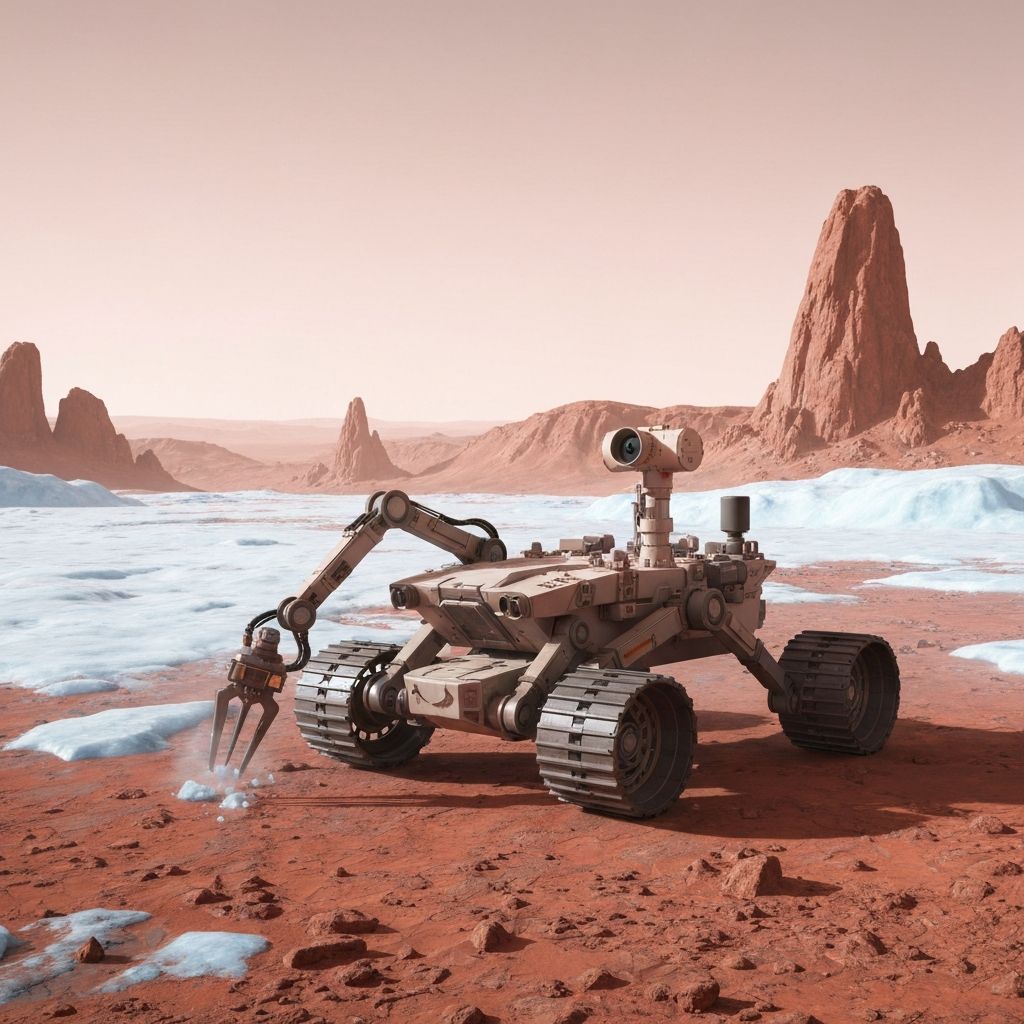
- Robots go before humans
- Map land, mine ice, test soil
- Set up power and communication
- Start producing fuel using Mars resources
Then: small human crews
- Engineers, doctors, scientists
- Build pressurised habitats
- Establish life support and food systems
Then: expansion
- More people
- Underground living
- Local manufacturing
- Schools, hospitals, governance
Finally: self-sustaining Mars
- Mars doesn't depend on Earth anymore
- If Earth goes silent, Mars survives
- Humanity officially becomes multi-planetary
Elon Musk's companies and how they fit into this
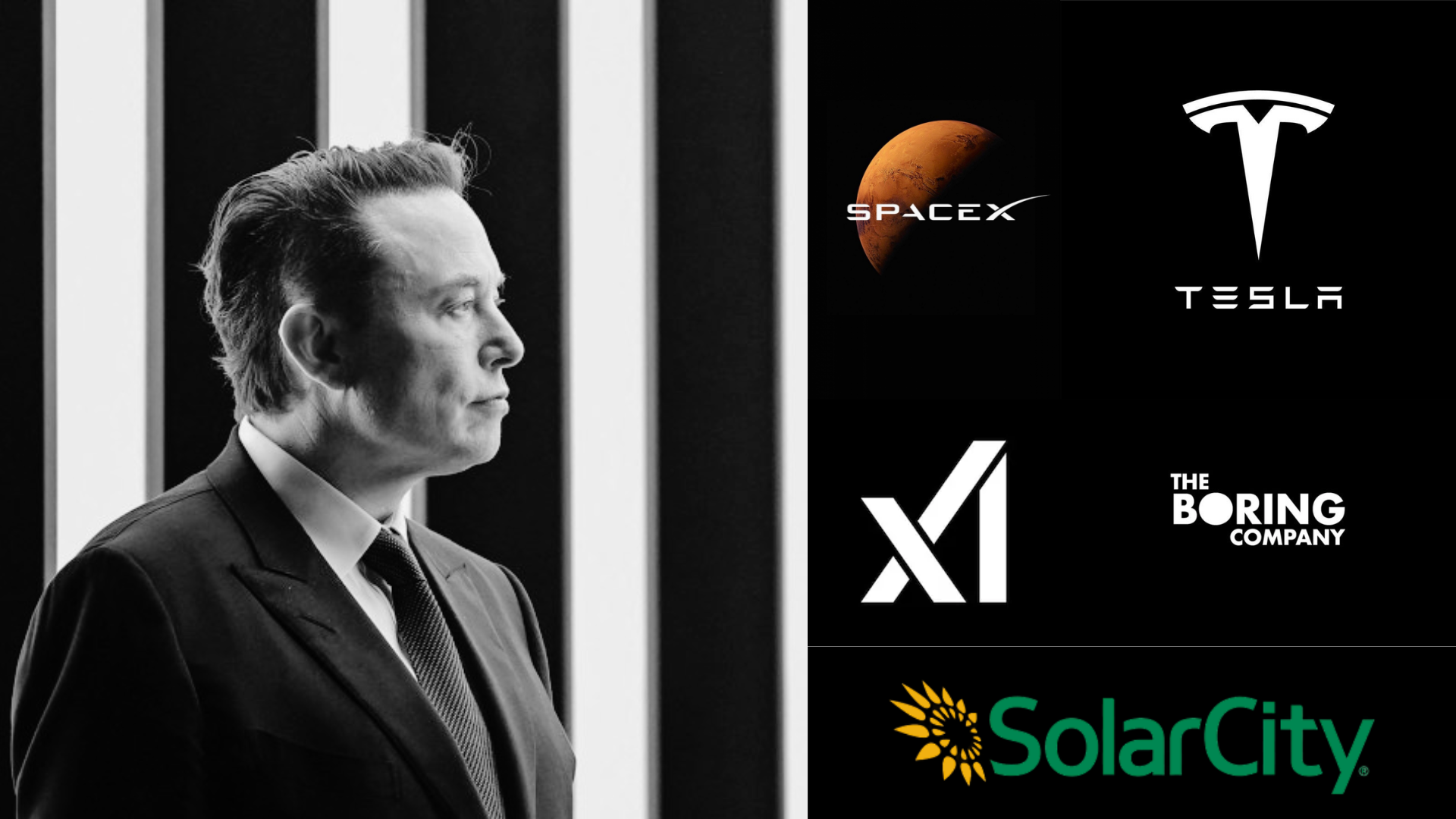
This isn't random. Each company solves a specific Mars problem.
SpaceX
- Starship is designed *specifically* to reach Mars
- Fully reusable = cheap, frequent launches
- Can carry humans, cargo, machines
- Starlink provides planetary and interplanetary communication
This is the backbone of Mars colonisation.
Tesla
You can't burn petrol on Mars.
- Everything must be electric
- EVs for transport
- Batteries for energy storage
- Power efficiency becomes survival-critical
Tesla tech fits Mars *naturally*.
Tesla Optimus
You can't send millions of humans instantly. But you can send millions of robots.
- Build habitats
- Mine resources
- Repair systems
- Do dangerous work
Robots arrive first. Humans arrive later.
xAI
Mars will be too complex to manage manually.
AI will:
- Coordinate robot fleets
- Manage life-support systems
- Optimise energy and logistics
- Assist humans in decision-making
AI becomes the invisible brain of the colony.
The Boring Company
Humans can't safely live on the Martian surface.
Problems:
- Radiation
- Extreme cold
- Dust storms
Solution:
- Underground tunnels
- Shielded habitats
- Safe transport systems
Mars cities will mostly be below the surface.
Solar / Energy companies
Mars has sunlight. No fuel stations. No coal. No oil.
- Solar power is the most logical option
- Large solar farms
- Battery storage
- Possibly nuclear backup
Energy without land ownership issues or pollution.
How humanity changes on Mars
Mars will force humans to be better.
Not perfect — but responsible.
- Every person matters
- Every mistake has consequences
- No room for chaos or irresponsibility
Early settlers will need to be:
- Mentally stable
- Physically fit
- Skilled and disciplined
Not because of discrimination — because survival demands it.
Crime won't just be "illegal" — it will be dangerous for everyone.
Mars society will likely be: • Merit-based • Highly cooperative • Focused on long-term survival • Less obsessed with status and more with contribution
A new ecosystem for humanity. Cleaner. Smarter. More intentional.
Final thought
Mars colonisation isn't about running away from Earth.
It's about making sure humanity never goes extinct, and proving that we're capable of building a civilisation that thinks beyond one planet.